Guide 5 of 10 to opening a gym · Set up
Hiring your first coaches for a new gym
Hire your first coaches on three things: they can run a good class for a group, they hold the qualifications your country requires, and they are free at the hours on your timetable. Then match the contract to how they will actually work. In many countries, someone who teaches your classes, at your times, in your space and with your equipment looks like an employee, whatever the contract says. This guide covers how many people to hire, which profiles work, employment status, pay models and a coach's first two weeks.
On this page · 11 sections
- 1.How many coaches you need at the start
- 2.The profiles that work in a new gym
- 3.Qualifications and registration
- 4.Employee or contractor
- 5.How to pay coaches
- 6.The interview and the trial class
- 7.A new coach's first two weeks
- 8.Where to find your first coaches
- 9.Common mistakes
- 10.How this works in Rummo
- 11.Frequently asked
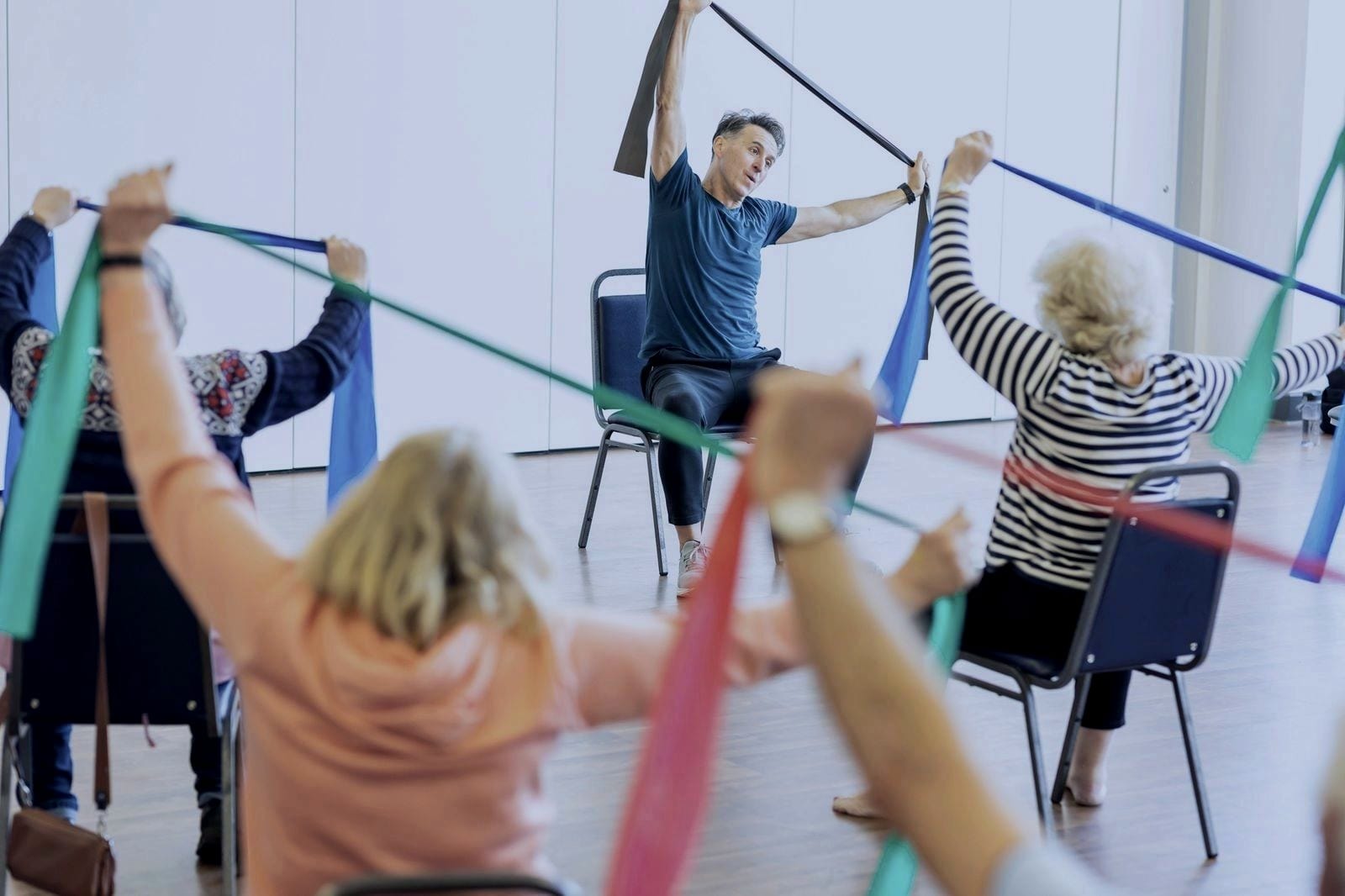
How many coaches you need at the start
The number comes from the timetable, not the budget. Every class needs a named coach and a named cover. Nobody should be the only person able to teach a slot on your timetable.
| Classes per week (example) | People | How it splits |
|---|---|---|
| Up to 12 | 2 | The owner teaches half, a part-time coach teaches the other half, and each covers the other |
| 13 to 25 | 3 | A lead coach for mornings, another for evenings, and a trained cover |
| Over 25 | 4 or more | A team with fixed shifts, and the owner teaches less to manage more |
Count the hours outside the class too. Opening up, setting out equipment, welcoming first-timers and resetting the room. A one-hour class takes more than an hour of someone's day.
The number of classes per week comes from a sum based on the members you have. How to build a class schedule for a new gym
The profiles that work in a new gym
In a gym that is just opening, nearly every member is new to the space and many are new to training. The right coach at this stage is the one who makes them come back. Look for five things:
- 1.Group management. Starts on time, briefs quickly, and keeps twelve people doing the same thing.
- 2.Scaling. Always has a version of the movement for beginners, for the injured and for people who have trained for years.
- 3.Welcome. Learns names and notices who is there for the first time.
- 4.Reliability. Arrives early and gives notice in good time when they cannot make it.
- 5.Training in the discipline. A certification in the method, and any professional registration your country requires.
Being a strong athlete does not make someone a good group coach. A trial class shows the difference in twenty minutes, which is why it beats a CV.
Qualifications and registration
Rules on who may coach in a gym vary by country. Some leave it to the market and to insurers. Others require a state-issued professional title.
Portugal is an example of the second kind. Law 39/2012 requires an exercise professional title, issued by the national sports institute (IPDJ), for people who lead activity in gyms and health clubs. It also requires a named technical head for the facility, and both titles last five years, renewable with continuing education.
- Find out what your country, region and insurer require before you advertise the role.
- Ask each coach for proof of qualifications and check expiry dates before the first class.
- Check that your liability insurance covers every coach, including covers and guest instructors.
- Keep a record of each coach's first aid training and when it needs renewing.
Employee or contractor
Employment status depends on how the work is done, not on the label in the contract. The tests differ by country, but they look at the same kind of evidence.
| Country | What the official guidance looks at |
|---|---|
| United States (IRS) | Behavioural control, financial control and the type of relationship, weighed together |
| United Kingdom (GOV.UK) | Several statuses, including worker, employee and self-employed, each with different rights; courts and tribunals decide in the end |
| Portugal (Labour Code, art. 12) | Place of work, ownership of equipment, set start and end times, regular fixed pay, and management duties |
A coach who teaches your classes, in your space, with your equipment and at your times ticks several of these boxes everywhere. Calling them a contractor does not change that.
| Model | Fits when | Watch out for |
|---|---|---|
| Part-time employee | The coach teaches fixed classes every week | Write the schedule and hours into the contract |
| Full-time employee | The coach takes classes, onboarding and some management | Total cost to the business goes beyond salary |
| Contractor | One-off workshops, or a specialist who organises their own work | If they move to a fixed weekly schedule in your space, the picture changes |
This article describes the principle and does not replace an accountant or employment lawyer. Take them each coach's real schedule before you sign anything.
How to pay coaches
There are four common ways to pay group class coaches. Each one rewards something different.
| Model | For | Against |
|---|---|---|
| Per class | Simple to calculate and easy to fit to the timetable | Ignores the time before and after class unless you build it in |
| Per hour worked | Also pays for opening, welcoming and resetting | Needs hours to be recorded |
| Fixed salary | Predictable for both sides, and gives stability | Weighs on the months when the gym still has few members |
| Fixed plus a variable part | Ties the coach to the gym's growth | The variable part must depend on things the coach controls |
Whatever the model, write down what counts as paid time. The fifteen minutes before the 07:00 class, the monthly meeting and time spent programming are work.
Cost ÷ attendees
Example: a class paid at 25 euros with ten people costs 2.50 euros per person. The same class with four people costs 6.25 euros per person. It is one more reason to start with fewer, fuller classes.
The interview and the trial class
- 1.A twenty-minute conversation: real availability, experience with beginners, and where they want to be in a year.
- 2.A trial class for a small group of people they do not know. Your team and a few friends will do.
- 3.Ask them to scale one movement to three levels, on the spot.
- 4.After class, ask what they would change. The answer shows how they will learn.
- 5.Ask for qualifications and certifications, and verify them.
Did they start on time? Did they explain the workout in under five minutes?
Did they use each person's name at least once?
Did they correct someone's technique without stopping the whole class?
Did they offer an option to someone who could not do the movement?
Did they finish on time, with equipment put away?
Did people leave talking about the class or the coach?
A new coach's first two weeks
| When | What |
|---|---|
| Before day one | Contract signed, qualifications checked, system account with the right permissions |
| Day 1 | Tour of the space, booking and cancellation rules, injury and emergency procedure |
| Days 2 to 5 | Shadows three classes and teaches part of each |
| Week 2 | Teaches their own classes, with someone from the team at the first |
| End of week 2 | Fifteen-minute check-in: what went well, what is missing, and questions |
The timetable, with their classes and the contacts of their covers.
The booking, cancellation and waitlist rules, in writing.
What to do with someone who turns up without a booking or an active plan.
The injury procedure: who to call, where the first aid kit is, and where incidents are recorded.
How to take attendance and where to see first-timers.
Who to call when they cannot teach a class, and how much notice to give.
Where to find your first coaches
- Sports science and exercise courses. Placements are a way to get to know people before hiring them.
- Your discipline's community: local competitions, workshops and training groups.
- Members who already train with you and are qualified, but do not teach yet.
- Coaches at other gyms looking for more hours, as long as the schedules do not clash.
[Gym name] opens in [month] in [area] and is looking for a [discipline] coach.
Schedule: [classes and days], about [n] hours a week, starting [date].
We ask for: the qualifications required where we operate, and experience with groups and with beginners.
We offer: [contract], [pay model], and in-house training during the first two weeks.
To apply, send [what to send] to [contact]. Selection includes a trial class.
Common mistakes
- Hiring on an athlete's record, with no trial class.
- Agreeing everything verbally. At the first disagreement, nobody remembers the same rate.
- Treating someone as a contractor when they work your schedule, in your space, every week.
- Forgetting the cover. The first flu cancels a full class.
- Giving the whole team full access to the system. Each person sees what they need to do their job.
How this works in Rummo
In Rummo, each coach logs in with their own account and a role with permissions. They see the classes they teach, who booked, and who is coming for the first time. They do not need to see payments to teach a class.
During class, Class Mode shows who has arrived, the workout plan in blocks and the results area. Attendance is recorded, and the timetable shows who teaches each class.
Team roles, permissions and Class Mode are on the product page. See the product
Set the times, coaches and capacity for each class, and Rummo publishes the weeks ahead. Class booking software
Frequently asked
- How many coaches do I need to open a gym?
- At least two, so every class has a coach and a cover. With more than twelve classes a week, three people give you more room.
- Should gym coaches be employees or contractors?
- It depends on how they work, not on the label. Someone teaching your schedule, in your space, with your equipment looks like an employee under official tests. Check your country's guidance with an accountant.
- Do gym coaches need a licence?
- It depends on the country. Some require a state-issued professional title, as Portugal does for gyms and health clubs. Others rely on certifications and insurance. Check before you advertise the role.
- Is it better to pay per class or per hour?
- Per class is simpler. Per hour also pays for the time around the class. Either way, write down what counts as paid time.
- How do I know if a coach will work out?
- Run a trial class with people they do not know. Watch whether they start on time, scale the workout to different levels and use people's names.
- What should a new coach learn first?
- The booking and cancellation rules, what to do with someone who has no booking, and the injury procedure. Technique they already have. Your rules they do not.
- What should a coach's contract include?
- The classes and hours, what counts as paid time, the pay model, notice for missing a class, and who covers. Plus the qualifications they must keep valid.
Sources
- Independent contractor (self-employed) or employee? · Internal Revenue Service, 2026
- Employment status · GOV.UK, 2026
- Código do Trabalho, artigo 12.º (Portuguese Labour Code, article 12) · Procuradoria-Geral Distrital de Lisboa, 2009
- Título Profissional de Técnico de Exercício Físico · IPDJ, 2026
Rummo team
Written by the people who build Rummo, management software for gyms, boxes and studios: classes, bookings, members and payments.
Reviewed
Opening soon? Set up your week before day one.
Create your space, classes and plans, and members book from their phones. The 9 first-week steps take about 31 minutes.
Lite is free up to 10 active members, with no card and no time limit. Pro comes with a 14-day trial, also with no card.