Guide 4 of 10 to opening a gym · Decide
Choosing a space for your gym or studio
You choose a space for a gym or box from the biggest class you plan to run, not from the listing. First measure the area each person uses with their equipment. Then check ceiling height for overhead movements, the floor for dropped barbells, and noise for the neighbours. Access and parking come next. Last comes the lease: permitted use as a gym, a rent-free period for the fit-out, and a term long enough to earn back the investment. This guide shows how to measure each one, with a checklist to take to the viewing.
On this page · 13 sections
- 1.Measure the class, then the room
- 2.Ceiling height
- 3.The floor
- 4.Noise and neighbours
- 5.Access, parking and visibility
- 6.Ventilation, light and changing rooms
- 7.The permit, before the lease
- 8.Lease clauses to negotiate
- 9.The viewing, step by step
- 10.The viewing checklist
- 11.The mistakes that cost the most
- 12.Capacity, once you open
- 13.Frequently asked
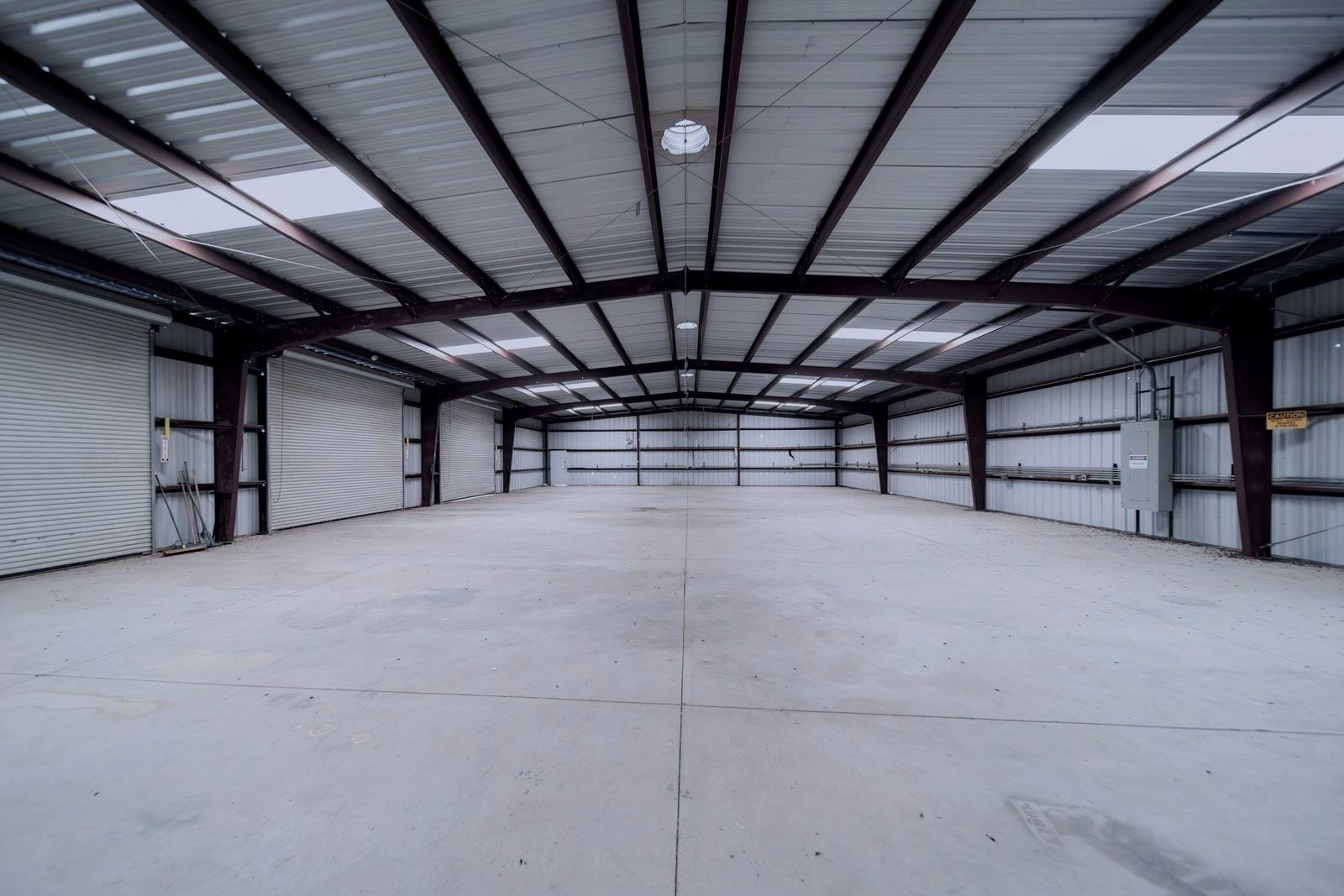
Measure the class, then the room
The question “how many square metres do I need?” cannot be answered without another one first: which class, with how many people, and what equipment each person uses. Twelve people rowing take up a different area from twelve people with barbells.
The method is to draw stations. A station is the rectangle one person needs to do the exercise safely with their equipment. Measure the equipment, then add the movement space around it.
3.3 m²
Station | Length (m) | Width (m) | Area (m²) | How many in the biggest class | Total area
Barbell on the floor, with room to drop it | ___ | ___ | ___ | ___ | ___
Air rower or air bike | ___ | ___ | ___ | ___ | ___
Pull-up rig station | ___ | ___ | ___ | ___ | ___
Warm-up and short running area | ___ | ___ | ___ | ___ | ___
Training area total + walkways = usable training area
The usable training area is only part of it. Add reception, changing rooms, toilets, equipment storage and an office if you need one. A room with only training space has nowhere to put the rowers when the next class uses barbells.
An example, with a class of twelve
Picture a class of twelve, half on barbells and half on rowers, swapping halfway. Six rowers need about 20 m², using the maker's space in use. Six barbell stations need the area you measured for each, with room to drop the bar. Add walkways for the coach and a warm-up area.
Then run the same sum for the class where everyone lifts at once. Your usable training area is the larger of the two, not the average.
Ceiling height
Ceiling height decides which movements the space allows. The tallest ones are wall balls, rope climbs, pull-ups and ring work on the rig, box jumps and overhead barbell work.
Measure the clear height under the lowest obstacle, not at the highest point of the roof. Beams, ventilation ducts, light fittings and sprinkler pipes all take height away. Bring the list of movements you will teach and check each one.
- Wall balls: the target sits at the height set by the rules of the event you train for, and the ball travels above it.
- Rope: rope length plus mounting height, plus room for the hand of whoever reaches the top.
- Pull-up rig: the height of the top bar, plus the body of someone doing muscle-ups.
- Overhead barbell: your tallest athlete, arms locked out, holding the bar.
The floor
A barbell dropped from overhead is the hardest load a floor will take. On a ground-floor slab, rubber flooring and lifting platforms solve it. On an upper floor, the question is for a structural engineer: load, vibration, and what the people below will hear.
- Ask in writing what the floor is made of and what load it can take.
- Check for rising damp. Rubber on top hides it and does not fix it.
- Plan drop zones with platforms wherever you teach Olympic lifting.
- Confirm the landlord accepts rubber glued to the floor, and how it is restored at the end.
Noise and neighbours
Training is loud: dropped barbells, music, encouragement, and a class at 06:30. The neighbour above or next door will hear it. Noise complaints are one of the few things that can close a gym that has everything else in order.
- Who lives or works above, below and next door? Industrial or commercial areas are more tolerant.
- If the unit belongs to a shared building, read the building rules before signing.
- Ask the local authority which noise limits and hours apply in that area.
- Visit at the time of your first class of the day, and listen.
- Budget for sound insulation if any of these answers leaves you unsure.
Access, parking and visibility
Does your audience arrive by car, on foot, by bike or by public transport? The answer comes from the person you described in your plan. Someone training at 07:00 before work needs to park in two minutes. Someone training at lunchtime needs to be near the office.
- Parking at peak class times, not mid-morning when you happen to visit.
- A bus or train stop within walking distance with a gym bag.
- An entrance visible from the street, with room for signage.
- Access for unloading heavy equipment.
- Step-free access for people with reduced mobility.
Ventilation, light and changing rooms
Twelve people training heat a room quickly. Ask what ventilation exists, whether there is air conditioning, and what it would cost to add. Natural light helps. Changing rooms with hot water for several people at once are an expensive build if they do not already exist.
The permit, before the lease
Buildings can have a permitted use, and a gym needs one that allows it. Before signing, ask the landlord for the current permitted use of the unit and take it to the local planning authority. Ask whether a gym is possible there, and with what works. A unit without a compatible use may need a change-of-use application that takes months.
The other legal steps before opening, from insurance to waivers, are in a separate checklist.
Lease clauses to negotiate
A commercial lease is negotiable. These are the clauses that matter most for a gym, and each deserves a conversation with a lawyer before you sign:
- Permit condition: the lease only takes effect if the gym use is approved, or ends at no cost if it is refused.
- Rent-free period: months without rent during fit-out and permits.
- Term: long enough to earn back the fit-out, with a predictable renewal.
- Works: who pays for what stays with the building, and what you must restore at the end.
- Rent reviews: how and when.
- Use clause: it should say sports and fitness, not just retail.
- Hours: the lease and building rules must allow early opening and late closing.
- Sharing: whether you can host a physiotherapist or nutritionist.
The cheapest space is the one that gets the permit first time. A cheap warehouse that never gets it is the most expensive of all.
The viewing, step by step
- 1.Book the viewing at the time of your busiest class, and arrive fifteen minutes early to check parking.
- 2.Bring a long tape and a laser measure. Measure the usable area, the clear height, and the doors equipment has to pass through.
- 3.Photograph the ceiling, the floor, the electrical panels and the toilets.
- 4.With permission, drop an empty barbell and listen from the unit below or next door.
- 5.Ask the landlord for the permitted use, the works they will accept, and any rent-free period.
- 6.Talk to a neighbour if you can. One minute of conversation tells you more about noise than an afternoon of measuring.
- 7.Fill in the checklist below the same day, before you view the next space.
The viewing checklist
Usable training area: ______ m². Total area: ______ m².
Clear height under the lowest obstacle: ______ m.
Floor: type ______, load rating ______, damp: yes / no.
Neighbours: above ______, below ______, next door ______. Shared building: yes / no.
Noise heard at the time of the first class: ______.
Parking at peak times: ______. Public transport ______ minutes away.
Ventilation: ______. Air conditioning: ______. Natural light: ______.
Changing rooms and toilets: in place / to be built.
Current permitted use: ______. Gym use confirmed with the authority: yes / no.
Rent ______, deposit ______, rent-free period ______, term ______.
The mistakes that cost the most
- Measuring the empty room and forgetting storage, reception and changing rooms.
- Measuring ceiling height at the highest point, ignoring beams and ducts.
- Visiting mid-morning instead of at peak time.
- Signing without a permit condition.
- Ignoring the upstairs neighbour until the first complaint.
Capacity, once you open
The station sheet gives you the capacity of each class type. In Rummo, that capacity lives on the class, and booking stops when the spots run out. Anyone after that joins the waitlist, which moves on its own when someone cancels.
How to set the capacity of each class, using three numbers, is covered here. How many spots should a class have
Frequently asked
- How many square metres per person does a gym need?
- It depends on each station's equipment. Draw the station with the equipment and the movement space, then multiply by class capacity. An air rower, for example, needs 274 by 122 centimetres for use, according to its maker.
- What ceiling height does a CrossFit gym need?
- Enough for the movements you teach: wall balls, rope climbs, pull-ups and overhead barbell work. Measure clear height under the lowest beam or duct, and check each movement.
- Can I open a gym on an upper floor?
- It may be possible, but ask a structural engineer for the floor's load rating and the vibration passed to the floor below. A ground-floor slab makes dropped barbells far less of a problem.
- Can I open a box in an industrial unit?
- Only if the local authority allows gym use in that building. Ask for the current permitted use and check with the planning authority before you sign. A change of use can take months.
- Should I sign the lease before or after the permit?
- If you sign before, add a condition: if gym use is not approved, the lease ends at no cost. Have a lawyer draft it.
- How do I avoid complaints from neighbours?
- Choose a unit with no homes above, visit at the time of your first class, read the building rules and budget for sound insulation. Platforms in lifting areas reduce the impact of dropped barbells.
Sources
- RowErg: dimensions and space required · Concept2, 2026
Rummo team
Written by the people who build Rummo, management software for gyms, boxes and studios: classes, bookings, members and payments.
Reviewed
Opening soon? Set up your week before day one.
Create your space, classes and plans, and members book from their phones. The 9 first-week steps take about 31 minutes.
Lite is free up to 10 active members, with no card and no time limit. Pro comes with a 14-day trial, also with no card.